Varicorin Reviews 2026: Does This Vein Supplement Actually Work?
Certified Strength & Conditioning Specialist (CSCS) & Lead Reviewer at Go Fit Base · CSCS (NSCA), CISSN (Sports Nutritionist) · 8+ Years Fitness & Sports Nutrition Coaching
Heavy, aching legs at the end of the day. Ankles that swell inside your shoes. Thin purple threads spreading across your calves. If any of that sounds familiar, you have probably already tried compression socks, cooling gels, and the "put your feet up" advice — and you have probably already typed "Varicorin" into a search bar.
Varicorin is one of the most heavily marketed oral formulas for venous discomfort in 2026, sold as a multi-ingredient capsule that supports vessel wall strength and reduces the swelling that makes legs feel like lead.
But a capsule is not a vascular surgeon. So this review does something the average sales page will not: it breaks down the actual ingredients, compares the doses used in research with what a supplement label typically delivers, explains what an oral formula can and cannot fix, and lays out the safety issues nobody mentions in the testimonials.
Quick Verdict: The Short Answer
| Question | Honest answer |
|---|---|
| Does it contain legitimate vein-support ingredients? | Yes — horse chestnut extract, Centella asiatica, hesperidin and vitamin C are all recognisable in this category |
| Is it a cure for varicose veins? | No. Nothing taken orally repairs a damaged vein valve |
| When do users notice a difference? | Comfort and heaviness usually first (2–4 weeks); visible changes take 8–12 weeks if they happen at all |
| Main strength | Standardised botanical extracts rather than generic powders |
| Main weakness | Premium price, and some marketing claims outrun the evidence |
| Best for | People with mild-to-moderate venous discomfort who want a low-risk adjunct to compression and lifestyle changes |
| Skip it if | You have a diagnosed clot, an ulcer, or you take blood thinners without medical supervision |
What Is Varicorin?
Varicorin is an oral food supplement — a capsule, not a medicine — positioned for venous health. The marketing focuses on three outcomes: less swelling, less heaviness, and a less visible appearance of spider veins and broken capillaries.
It is sold in bottles of 60 capsules, taken at two per day, which makes each bottle roughly a 30-day supply. Like every supplement in this category, it is regulated as a food rather than a drug, which is an important distinction: the U.S. Food and Drug Administration does not approve dietary supplements for treating, curing or preventing disease, so no oral vein capsule has been cleared as a treatment for varicose veins.
That does not make Varicorin worthless. It means the correct expectation is symptom support, not repair.
Who Varicorin Is Aimed At
The formula is clearly built for a specific profile:
- People on their feet all day — teachers, nurses, retail and hospitality staff — who get the classic end-of-day heaviness.
- Desk workers with stagnant circulation, where blood pools in the calves during long sitting blocks.
- Women in midlife, since hormone shifts in midlife can make vessel walls more reactive and spider veins more noticeable.
- People with a family history who want to be proactive before symptoms escalate.
Who Should Skip It
- Anyone with a current or past deep vein thrombosis, a leg ulcer, or skin changes around the ankle. Those are medical situations, not supplement situations.
- Anyone taking warfarin, apixaban, rivaroxaban, aspirin or clopidogrel without asking their prescriber first.
- Anyone who is pregnant, breastfeeding, or scheduled for surgery within two weeks.
- Anyone expecting varicose veins to disappear. They will not.
How Oral Vein Supplements Are Supposed to Work
To judge any product in this category, you need a 60-second anatomy lesson.
Veins in your legs push blood upward against gravity. Tiny one-way valves stop it sliding back down. When those valves weaken, blood pools, pressure builds in the lower leg, fluid leaks into surrounding tissue, and you get swelling, aching, and eventually bulging veins — the pattern clinicians call chronic venous insufficiency.
An oral supplement cannot rebuild a valve. What it can plausibly do is:
- Reduce capillary permeability and inflammation, which limits how much fluid leaks into the tissue (this is the main proposed job of escin from horse chestnut).
- Support collagen formation in vessel walls. Vitamin C is a required cofactor for collagen synthesis — a genuine biochemical role, though it does not "repair leaky valves" as marketing copy often claims.
- Improve the tone of the vein wall, which is where flavonoids such as hesperidin and diosmin are thought to act.
In practice, that translates to less swelling and less discomfort — not straighter veins. A common mistake is judging these products by how the legs look in week two. The comfort change comes first; appearance changes, if they come, lag well behind.
Ingredient Breakdown: What Matters and What's Filler
| Ingredient (branded name) | Standardisation | Evidence strength | Practical note |
|---|---|---|---|
| Horse chestnut seed extract (Venocin®) | 20% escin | Moderate — the best-studied ingredient here | Dose of escin, not extract, is what counts |
| Centella asiatica (Centellin®) | Standardised triterpenes | Weak-to-moderate, mostly non-venous data | Popular in European phlebotonic formulas |
| Hesperidin | Citrus bioflavonoid | Moderate when combined with diosmin | Rarely studied alone in venous disease |
| Vitamin C (from buckwheat) | Ascorbic acid equivalent | Strong for collagen synthesis generally | "More bioavailable than synthetic" is not established |
| Witch hazel | Astringent extract | Topical use well established | Oral evidence is thin; watch the label |
The Escin Factor — and the Trap in the Label
Escin is the active saponin in horse chestnut seed extract and the reason this ingredient shows up in so many vein formulas. The evidence base is real: a Cochrane review of horse chestnut seed extract for chronic venous insufficiency found consistent short-term reductions in leg pain, swelling and volume compared with placebo, and some older trials have compared it favourably with compression in terms of leg volume.
Here is the trap. Those trials typically used standardised extracts delivering roughly 50 mg of escin per dose, twice daily — around 100 mg of escin a day.
Now do the maths on a label that says "20% escin extract, 100 mg." That delivers 20 mg of escin. Less than 20% of the studied amount. Percentage standardisation tells you the extract is good quality; it does not tell you the dose is sufficient. Before buying any vein supplement, add up the milligrams of escin, not the milligrams of powder — and if a brand will not disclose that number, treat the formula as unproven until it does.
The Vitamin C Claim Worth Challenging
Varicorin markets vitamin C from buckwheat as superior to synthetic ascorbic acid. Chemically, ascorbic acid is ascorbic acid — the body uses the same molecule regardless of source. There is no reliable evidence that buckwheat-derived vitamin C is meaningfully more bioavailable in a capsule.
Vitamin C still belongs in a vein formula; it is required for collagen cross-linking and is a mild antioxidant. It just does not need to be a selling point. The same scepticism you would apply here is worth applying to a popular weight-loss fruit or any other "nature knows best" ingredient story.
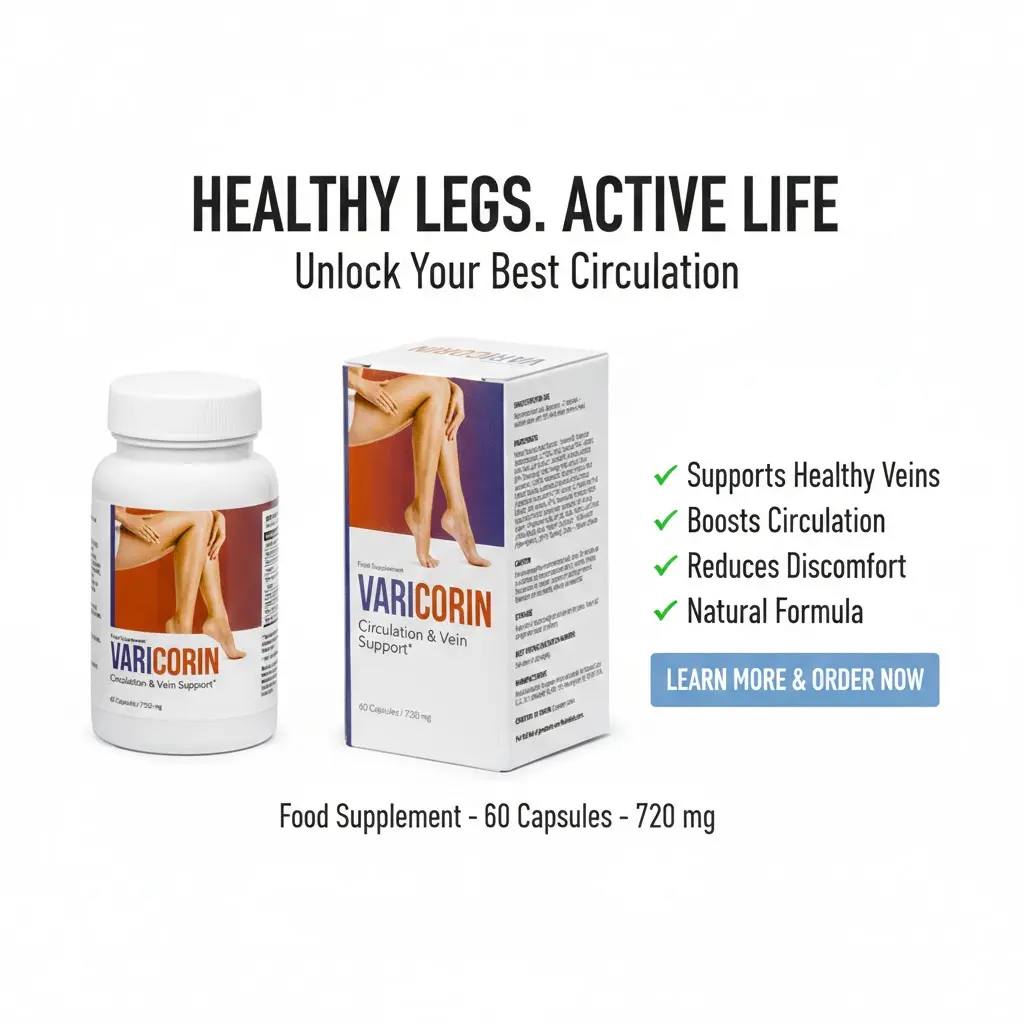
Varicorin's appeal is its ingredient breadth — but breadth only helps if each active is dosed at a level research has actually tested.
Does the Science Actually Back It Up?
For the whole formula? No — no published trial has tested Varicorin itself. For the individual ingredients? Partly.
- Horse chestnut / escin: the strongest leg to stand on, with consistent short-term evidence on swelling and pain in chronic venous insufficiency.
- Diosmin-hesperidin combinations: micronized purified flavonoid fraction is widely used in Europe for venous symptoms and has a reasonable evidence base; hesperidin on its own is less convincing.
- Centella asiatica: studied more for wound healing and skin than for leg swelling.
- Witch hazel: a well-established topical astringent, but oral use is not well characterised.
If you want to check botanical claims yourself rather than take a review site's word for it, the National Center for Complementary and Integrative Health publishes plain-language summaries of supplement evidence and is a far better starting point than a sales page.
The honest verdict on the science: Varicorin is built around one ingredient with genuine supporting evidence, plus several that are plausible but under-proven. That is more than most competitors can claim — and less than the marketing implies.
Real-World Results: What Users Actually Report
Across customer reviews, forum posts and the testimonial sections of competing products, a fairly consistent timeline emerges. Treat it as a pattern, not a promise:
| Timeframe | What people commonly report |
|---|---|
| Week 1–2 | Less of the "heavy leg" feeling by evening; some notice nothing yet |
| Week 3–4 | Reduced evening swelling, fewer night-time calf cramps |
| Week 6–8 | Slight softening of superficial spider veins; rings and socks fit better |
| Week 12 | Clear sense of whether the product is worth continuing |
Two caveats matter here.
First, review sections are biased. People who feel nothing rarely return to say so, and some sellers incentivise positive reviews. Any figure like "96% of users would recommend it" should be read as a marketing claim unless it comes with a named, independent survey — which it usually does not.
Second, self-assessment is unreliable unless you measure something. If you want a genuine answer on whether Varicorin works for you, do this:
- Measure ankle circumference at the same time each morning (before getting up is best).
- Photograph your calves in the same light, same position, same time of day, weekly.
- Keep a one-line daily note on heaviness and night cramps.
After eight weeks, you will have data instead of a feeling — and a much clearer basis for deciding whether to reorder.
Pros and Cons
What works in Varicorin's favour
- A standardised horse chestnut extract rather than unstandardised powder.
- Multiple complementary actives in one capsule, so you are not stacking three bottles.
- A well-tolerated profile for most healthy adults at label doses.
- Targets the symptom load — swelling, heaviness, cramps — rather than only appearance.
- Easy dosing: two capsules daily, no mixing or measuring.
Where it falls short
- Premium pricing compared with plain horse chestnut capsules from a pharmacy.
- Full escin milligrams per dose are not always made obvious on the label.
- No clinical trial on the finished product itself.
- Marketing leans on unverifiable satisfaction percentages and doctor-style endorsements.
- It will not remove varicose veins, and it is not a substitute for compression or medical assessment.
How to Take Varicorin Properly
Dosage sounds trivial; it is where most supplement results are lost.
- Take two capsules daily as directed on the label, ideally about 30 minutes before a meal.
- Use a full glass of water — around 300 ml. This is not just a comfort tip; it is the same discipline you would apply when mixing a daily powder.
- Anchor it to an existing habit — morning coffee, brushing teeth, locking the front door. A sustainable daily usage routine beats a perfect one you abandon after ten days.
- Commit to at least eight weeks before judging results, and twelve if you can.
- Get the timing consistent — this is why capsule timing matters with any supplement regimen.
Non-Ingredient Habits That Do More Than Any Capsule
- Compression stockings — the single most evidence-backed non-surgical measure for venous symptoms.
- Calf pumps — flex your ankles 20 times every hour you are seated.
- Leg elevation — 15 minutes with ankles above heart level, ideally after work.
- Walking — the calf muscle is your second heart; use it.
- Reduce salt and alcohol load, both of which worsen fluid retention.
- Manage weight and constipation, two underrated contributors to pelvic and leg vein pressure.
- Sleep and stress. If stress is a factor, calming support is a better lever than adding another pill to the stack.
If your legs feel worse at the end of a long week, that is your cue to buy with a clear protocol in mind rather than a vague hope.
Varicorin vs Other Options in 2026
| Option | Ingredient approach | Likely benefit | Best suited to |
|---|---|---|---|
| Varicorin | Multi-active: standardised escin, Centella, hesperidin, vitamin C | Broad symptom support | Visible spider veins plus heaviness |
| Other branded vein formulas (e.g. arginine-based blends) | Circulation-focused, often no collagen support | General blood-flow support | Mild fatigue, blood pressure concerns |
| Generic pharmacy horse chestnut | Often unstandardised extract | Variable, sometimes negligible | Tight budgets, mild symptoms |
| Compression + movement | Mechanical | Strongest non-surgical evidence | Almost everyone with venous symptoms |
| Medical procedures (sclerotherapy, ablation) | Clinical | Addresses the vein itself | Bulging veins, ulcers, skin changes |
The blunt summary: if you want the biggest effect for the least money, buy compression stockings and walk more. If you want to add an oral formula on top of that, Varicorin is a reasonable candidate — but it is a supporting actor, not the lead.
Safety, Side Effects and Interactions
Horse chestnut extract is generally well tolerated at label doses, but this is not a "no side effects" product, and any review that tells you otherwise is not being honest.
Reported reactions in trials and user feedback include:
- Stomach upset, nausea or diarrhoea
- Dizziness or headache
- Itching or skin reactions
- Rarely, kidney-related concerns at high doses
Critical safety points:
- Raw horse chestnut seeds are toxic. They contain aesculin, which commercial extracts are processed to remove. Never make your own preparation, and never buy from a seller who cannot confirm the extract is aesculin-free.
- Blood-thinner interactions are a genuine concern. Escin has anti-inflammatory and mild anti-platelet activity. Combining it with warfarin, direct oral anticoagulants, aspirin or clopidogrel should only happen with your doctor's agreement. If you are on any of these, this is a conversation, not a purchase decision.
- Stop at least two weeks before surgery.
- Avoid in pregnancy and breastfeeding — insufficient safety data.
- Witch hazel is primarily a topical ingredient. Oral use is not well characterised, so a formula leaning on it should be judged cautiously.
Tolerability issues rarely make it into marketing copy — the same is true of reactions reported by users of fat-burning blends and the tolerability complaints attached to many "miracle" capsules. Assume any supplement can cause a reaction in a minority of people, and start with the label dose rather than doubling up.
When to See a Doctor Instead
Seek urgent care if you have sudden swelling in one leg, warmth, redness, or calf pain — that can indicate a deep vein thrombosis. Book a vascular assessment if you have skin discolouration near the ankle, a leg ulcer, a vein that bleeds, or symptoms that are worsening despite everything you are doing. No supplement is appropriate as a first-line response to those signs.
How We Evaluated This Product
To keep this review useful rather than promotional, we weighted six factors: label transparency (are actives and standardisation disclosed?), dose versus studied dose, quality of evidence per ingredient, safety and interaction profile, refund policy, and the credibility of user feedback. We did not run laboratory testing, and we cannot verify manufacturing conditions at the facility — so treat the ingredient analysis as the strongest part of this review and the "results" section as pattern-matching, not proof.
Frequently Asked Questions
Does Varicorin actually work?
It may reduce swelling, heaviness and night cramps for people with mild-to-moderate venous symptoms, largely on the strength of its horse chestnut content. It will not remove varicose veins or repair damaged valves. If a page promises otherwise, close the tab.
How long until I notice anything?
Most users who respond notice comfort changes within two to four weeks. Appearance changes take eight to twelve weeks, if they occur. Judge it at the twelve-week mark with measurements and photos, not vibes.
Is Varicorin safe?
For most healthy adults at label doses, it appears well tolerated. It is not safe to combine casually with anticoagulants or antiplatelet drugs, and it should be avoided during pregnancy, breastfeeding and in the two weeks before surgery.
How many capsules are in a bottle?
60 capsules, which at two per day is a 30-day supply. A realistic twelve-week trial therefore means buying three bottles — factor that into the cost before you start.
Can I take it with blood pressure or heart medication?
Ask your prescriber first. Some ingredients in this category can interact with medication, and the answer depends on your specific drugs and doses, not on a general rule from the internet.
Is the "96% would recommend" figure real?
It comes from seller-side marketing, not a published independent survey. It may reflect genuine enthusiasm among people who stayed on the product, but it is not evidence of effectiveness.
What about spider veins on the face?
Different mechanism, different problem. Facial telangiectasia is usually treated with laser or sclerotherapy by a dermatologist. Oral vein supplements are not a realistic solution there.
What if it does not work for me?
Check the refund window and terms before ordering, keep your order confirmation, and photograph your legs at the start so you have a baseline. A twelve-week trial plus a documented refund policy is the only low-risk way to test any supplement.
Conclusion
Varicorin sits in the better half of the vein-supplement market: it uses standardised botanical extracts, leads with an ingredient that has real supporting evidence in horse chestnut escin, and targets symptoms that genuinely affect quality of life. That is a fair summary of its strengths.
It is also not the answer to varicose veins. A capsule cannot rebuild a valve, cannot replace compression, and should never delay a vascular assessment if your symptoms are progressing. The single biggest mistake buyers make is expecting cosmetic repair and quitting at week three when their legs still look the same — or, conversely, spending a year on capsules while a treatable vein problem worsens.
Your next step: if your symptoms are mild and you have no red flags, start a properly documented twelve-week trial alongside compression and daily walking — and if you are ready to begin, compare the current Varicorin bundle options and refund terms on the official site so you know exactly what you are committing to. If you have one-sided swelling, skin changes or an ulcer, book a vascular appointment before you buy anything at all.
Medical Disclaimer
This article is for educational purposes only and is not medical advice, diagnosis or treatment. Dietary supplements are not intended to diagnose, treat, cure or prevent any disease. Always speak with a physician, pharmacist or vascular specialist before starting a new supplement, particularly if you take anticoagulant or antiplatelet medication, have kidney or liver disease, are pregnant or breastfeeding, or are scheduled for surgery.

Similar Posts