Isolate Protein Powder Review: The Ultimate Guide for Fitness Enthusiasts
Certified Strength & Conditioning Specialist (CSCS) & Lead Reviewer at Go Fit Base · CSCS (NSCA), CISSN (Sports Nutritionist) · 8+ Years Fitness & Sports Nutrition Coaching
Affiliate Disclosure: This post contains affiliate links. If you buy through them, we may earn a commission at no extra cost to you.
Walk down any supplement aisle and half the tubs claim to be "pure isolate." In practice, the label tells a very different story: some products beat whey concentrate by only a few grams of protein per serving, while others spike the nitrogen count with cheap free-form amino acids so the number looks bigger than the actual protein.
This guide cuts through that. You'll get a clear explanation of what isolate protein powder actually is, how to read a label in under 60 seconds, realistic dosing numbers, honest trade-offs (including where isolate is a waste of money), and the mistakes that quietly cost lifters results. You can also read our guide on nutrition creatine monohydrate powder.
If you already know you want a whey isolate, the quick version is this: buy on protein per 100 g , verified by a third-party testing program — not on scoop size, flavour, or marketing copy.
What Is Isolate Protein Powder — and How Is It Made?
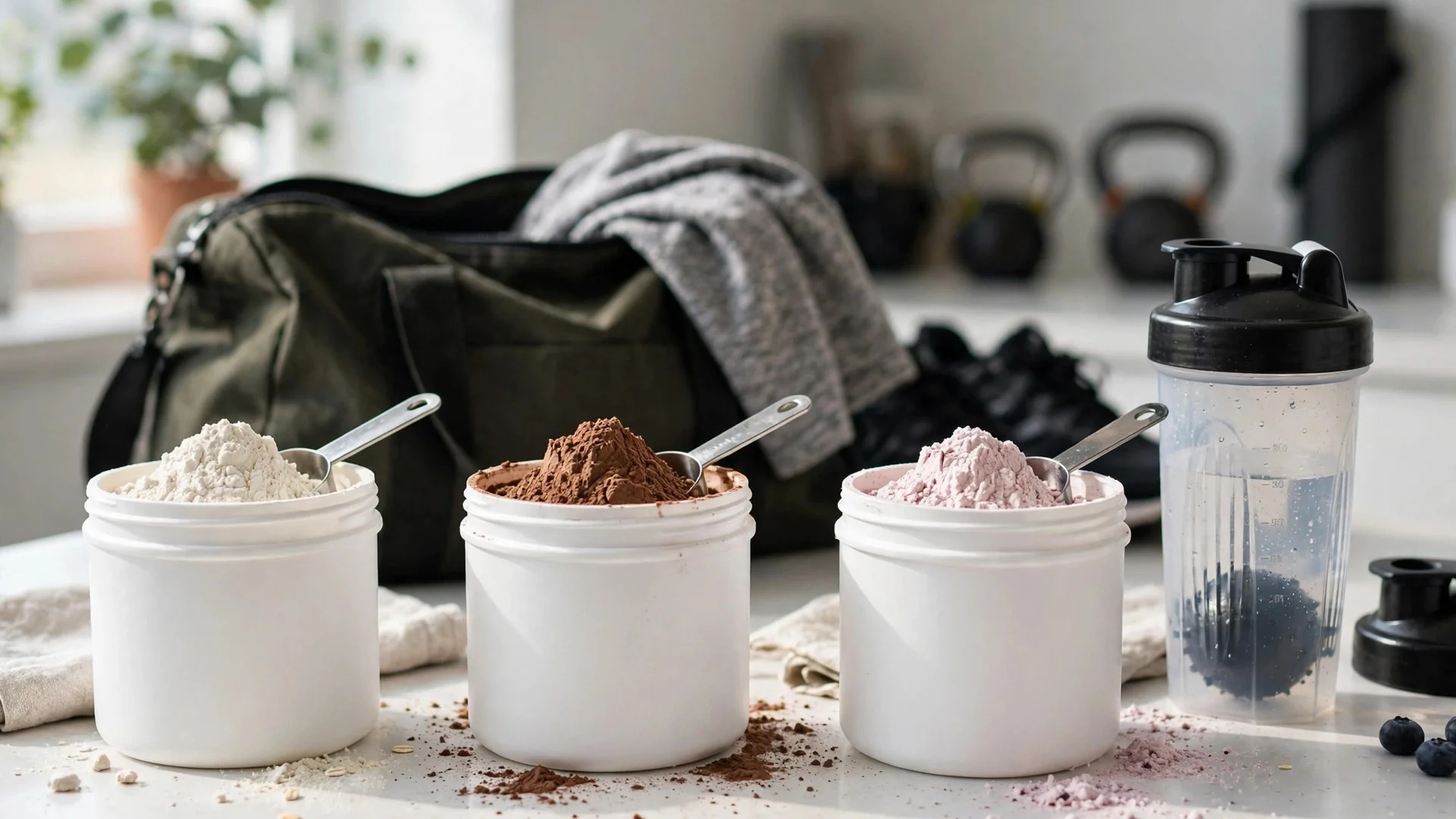
Isolate protein powder is a protein supplement that has been filtered to strip out most of the fat, carbohydrate and moisture found in the raw source. The result is a powder that typically lands at 85–90%+ protein by weight , compared with roughly 70–80% for a standard whey concentrate. You can also read our guide on best keto diet for women.
Whey isolate starts as liquid whey left over from cheese-making. It's then run through processes like cross-flow microfiltration, ultrafiltration or ion exchange to separate protein from lactose, fat and minerals. Soy isolate follows a different route — an aqueous extraction with an isoelectric precipitation step — but the goal is the same: a concentrated, highly digestible protein.
A common mistake is assuming "isolate" means "better for muscle." It doesn't. Isolate is a purity claim, not a potency claim. The reason it matters is practical: you get more protein per calorie, less lactose, and a thinner liquid that mixes in a shaker without a blender.
Whey Isolate vs Concentrate vs Hydrolysate
| Type | Protein (dry basis) | Lactose per serving | Carbs + fat per 25 g protein | Where it wins |
|---|---|---|---|---|
| Whey concentrate | 70–80% | Approx. 1–3 g | ~2–4 g | Value; better mouthfeel and flavour |
| Whey isolate | 85–90%+ | Trace (usually under 1 g) | ~0–2 g | Cutting, lactose sensitivity, low-carb diets |
| Whey hydrolysate | 80–90% | Low | ~1–2 g | Fastest absorption, but noticeably bitter |
| Soy isolate | ~90% | 0 (plant) | ~1–3 g | Dairy-free, complete amino profile |
| Pea isolate | 80–85% | 0 (plant) | ~1–3 g | Vegan, low allergen risk |
The honest trade-off: hydrolysate digests marginally faster than isolate, but the difference is measured in minutes and most people can't taste past the bitterness. Unless you're a competing athlete chasing tiny edges, isolate is the better buy.
Clear Whey Isolate and Cold-Filtered Variants
One more category worth knowing about is "clear" whey isolate — a hydrolysed whey that has been filtered further so it mixes into a translucent, juice-like drink rather than a milky shake. It has become a popular option for people who find standard shakes heavy in summer, or who want a lower-lactose option with a lighter mouthfeel.
The trade-offs are real: clear whey tends to cost more per gram of protein, is usually sweetened more aggressively to hide bitterness, and can be slightly lower in leucine because of the extra processing steps. In practice, it's a lifestyle product more than a performance upgrade. If you enjoy drinking it, stick with it; if you don't care about the lighter texture, standard isolate does the same job for less.
Plant-Based Isolates, Briefly
Pea isolate is hypoallergenic and vegan, but it's lower in methionine. Soy isolate is a complete protein and the closest plant match to whey per gram. The standard fix is a pea-and-rice blend, which fills the amino gaps and still keeps the carb and fat numbers low.
What's Actually Inside a Scoop
Ignore the marketing panel and go straight to the nutrition table. Here's the range you should expect from a genuine isolate:
| What to check | Typical isolate | Why it matters |
|---|---|---|
| Protein per 100 g | 80–90 g | The single best purity indicator on the tub |
| Protein per scoop | 20–30 g | Depends on scoop weight, not quality |
| Carbohydrates | 0–2 g | Lower is better for low-carb and keto diets |
| Fat | 0–1 g | Minimal either way |
| Lactose | Trace, usually under 1 g | Friendly to most lactose-intolerant users |
| Calories | 90–130 | Depends on protein yield and added flavourings |
| Leucine | ~2.5–3 g per 25 g whey protein | The trigger for muscle protein synthesis |
One correction to a claim you'll see everywhere: isolate protein is not "fortified with vitamins and minerals." A pure isolate has fewer micronutrients than the milk it came from, because filtration removes them. Only blended products add vitamins back — and those blends are usually no longer true isolates.
Amino Acids and Why Leucine Is the Number to Watch
Protein is built from 20 amino acids, nine of which your body can't make and must get from food. Three of those — leucine, isoleucine and valine — are the branched-chain amino acids (BCAAs), and leucine does most of the signalling work that kicks off muscle protein synthesis.
Whey is roughly 10–11% leucine by weight, so a 25 g protein scoop delivers about 2.5–3 g of leucine — right around the threshold most sports nutrition guidance points to for maximising that response in a single meal. That's the real reason whey isolate has a reputation for recovery: not magic, just a dense, complete, leucine-rich dose of protein.
Protein Quality Scores: DIAAS, PDCAAS and What They Actually Mean
How many grams are on the label is only half the story — the other half is how much of that protein your body can actually use. Two measurement systems do most of the work in modern nutrition science: PDCAAS (Protein Digestibility-Corrected Amino Acid Score) and DIAAS (Digestible Indispensable Amino Acid Score).
PDCAAS was the industry standard for decades and tops out at 1.00. Whey isolate, casein, egg and soy all hit or brush against that ceiling, meaning they are complete proteins with amino profiles your body can use efficiently. The catch is the cap — the score can't distinguish between a decent complete protein and an outstanding one.
DIAAS is the newer standard and is not capped. Scores above 1.00 indicate higher-quality protein, and whey isolate typically lands in the 1.09–1.20 range depending on the exact filtration method — one of the highest of any dietary protein. Pea isolate generally sits around 0.70–0.80 and rice around 0.60–0.70, which is the technical reason a pea-rice blend outperforms either source alone.
In practice, quality scores matter most if you eat very little animal protein, or if a single plant source is your main protein. If your diet already includes whey, eggs, dairy, meat or fish — and you're hitting total daily protein — the difference between a 1.00 and a 1.15 is small enough to ignore.
Calories, Serving Size and Mixer Math
A 30 g scoop of isolate usually gives you 25 g of protein for around 100–120 calories. What you mix it with can double or triple that number:
| Mixer (1 cup) | Approx. calories added |
|---|---|
| Water | 0 |
| Unsweetened almond milk | ~30 |
| Skim milk | ~90 |
| Oat milk | ~120 |
| Whole milk | ~150 |
| Medium banana | ~105 |
If you're dieting, water and ice are not a punishment — they're the cheapest way to keep a shake at roughly 110 calories. If you're bulking, whole milk plus a banana turns the same scoop into a 350-calorie meal.
The Real Benefits of Isolate Protein Powder
Muscle Growth and Recovery
Resistance training creates micro-damage in muscle fibres; protein supplies the amino acids that rebuild them. Isolate's advantage is speed and density: it empties from the stomach quickly and delivers a high leucine dose without dragging along fat or carbs.
Here's where most people overthink it. The "anabolic window" is not 30 minutes wide — current sports nutrition guidance treats it as several hours, and your total daily protein intake matters far more than precise timing . A shake within a couple of hours of training is convenient, not mandatory. Protein covers repair, but many lifters also explore other muscle-building picks to round out their stack.
A related mistake is treating the shake as a replacement for the recovery work that actually drives growth: sleep, enough total calories, progressive overload. In practice, lifters who add a shake but skip sleep don't get much further ahead than they were before. If you're already buying strength-oriented products, treat them as the supporting cast — a strength-focused supplement stack can help, but the protein and the training do the heavy lifting.
Weight Management and Appetite Control
Protein is the most satiating macronutrient, and it carries the highest thermic effect — roughly 20–30% of its calories are burned during digestion. That combination makes a protein-forward snack genuinely useful when you're in a deficit.
Two caveats from experience:
Liquid calories are less filling than solid food. A shake at 3 p.m. won't blunt appetite the way a chicken salad will. If hunger is your problem, eat the protein.
Isolate fits low-carb macro math neatly because it adds almost no carbohydrate — which is why it works well inside low-carb eating plans without blowing the day's budget.
For fat loss specifically, protein should do the heavy lifting; fat-loss ingredients worth understanding are secondary at best.
Digestion and Lactose Sensitivity
Whey isolate contains very little lactose, so most lactose-intolerant people handle it fine. But be precise about the distinction: lactose intolerance is not a milk allergy. If you react to whey with hives, swelling or breathing difficulty, that's a milk protein allergy and whey isolate is off the table entirely — switch to a plant isolate.
If you're simply prone to bloating, try a single scoop serving first, mixed with water, and avoid stacking it with a large meal.
Convenience and Versatility
A shaker and 400 ml of water beats cooking at 6 a.m. or hunting for 30 g of protein at an airport. Isolate also dissolves more cleanly than concentrate, so no blender is needed — although "instantised" products containing sunflower or soy lecithin mix noticeably better than bare isolates.
Beyond Protein: Where a Shake Fits Into a Broader Routine
A shake is a tool, not a philosophy. The most consistent lifters we've seen pair it with a couple of other habits that compound in the same direction: adequate hydration, consistent sleep, and — for people who train hard year-round — a small set of non-protein supplements that support energy, focus or recovery. If you're curious what those look like, a daily vitality booster is one category worth understanding, and a stress and recovery support formula is another. Neither replaces the shake, but both illustrate the principle: stack simple, verify claims, and don't expect any single product to do the job of sleep, food and training.
How to Choose an Isolate Protein Powder
Read the Panel in This Order
Protein per 100 g — anything under 80 g isn't really an isolate.
Protein per scoop vs scoop size — a giant 40 g scoop at 25 g protein is a filler scoop.
Ingredient list — the first ingredient should be the protein itself (whey protein isolate, pea protein isolate), not a blend of cheap fillers.
Added free-form amino acids — glycine, taurine, creatine and added BCAAs on the panel can inflate the measured "protein" without adding complete protein. A real isolate shouldn't need them.
Sweeteners and flavourings — sucralose, stevia and monk fruit are all fine for most people; unflavoured is the most versatile for cooking.
Amino Acid Spiking: How to Spot an Inflated Protein Number
Protein content on a label is measured by nitrogen content, which means added free-form amino acids — glycine, taurine, creatine, arginine, individual BCAAs — can inflate the score without contributing useful, complete protein. Nothing about that is illegal, but it's a quiet way to make a budget powder look high-end.
Here's how to spot it in practice:
- The amino acid profile adds up to more than the declared protein per serving. Roughly 100 g of complete protein delivers about 100 g of amino acids; if the panel lists 30 g of protein but 35 g of amino acids, something doesn't add up.
- Glycine, taurine or creatine appears near the top of the ingredient list. These are cheap fillers, not signs of quality.
- A "protein blend" combines whey isolate, whey concentrate, milk protein and an "amino acid complex." Read that as mostly concentrate with decorative extras.
- Protein per 100 g looks suspiciously high for the price. Genuine whey isolate requires expensive filtration; if the numbers look great and the price doesn't, the panel is probably telling a story.
The simplest defence is the panel itself: choose products where protein per 100 g is in the 80–90 g range, the ingredient list starts with the protein, and the amino acid profile roughly matches the protein declared.
Third-Party Testing Is Not Optional
In the U.S., supplements are regulated as food, not medicine, under federal supplement rules — which means no pre-market approval of what's in the tub. That responsibility shifts to you and to third-party programs.
Look for NSF Certified for Sport , Informed Sport or USP Verified . If you're drug-tested, this is non-negotiable, because contamination with banned stimulants is a real risk in unverified products — the same category of risk you'd want to check before adding stimulant-heavy fat burners on top of a pre-workout.
What Third-Party Certification Actually Involves
Programs like NSF Certified for Sport and Informed Sport audit both the product and the manufacturing facility, testing finished batches for heavy metals, pesticides, and hundreds of substances banned by major sports organisations. The NSF publishes its standards publicly, so you can confirm what a specific certification seal actually covers before trusting it.
A common mistake is treating a "lab tested" claim as equivalent to certification. It isn't. Anyone can pay a lab to run a single test; certification means an independent program is auditing production on an ongoing basis and publishing results. If a brand leans on "third-party tested" without naming the program, ask which one.
Cost Per Gram of Protein
Scoop size comparisons are meaningless. Do this instead:
Price ÷ (servings × protein per serving) = cost per gram
Worked example: a 5 lb (2,268 g) tub at $60 with a 30 g scoop = ~75 servings × 25 g protein = 1,875 g. That's $0.032 per gram, or about 3.2 cents. A smaller 2 lb tub at $45 with the same specs lands near 8 cents per gram — more than double for an identical product.
As a rule of thumb, anything under about 6 cents per gram of protein is a good deal; above 9 cents you're paying for branding. When price is the deciding factor, an affordable tub we compared still lands around 25 g protein per scoop.
Flavours, Mixability and Sweeteners
Chocolate and vanilla mask off-notes best; fruit flavours hide bitterness in plant isolates. Buy the smallest tub of a new flavour first — a 5 lb tub you hate is an expensive mistake. Unflavoured isolate is the smartest purchase if you bake or blend into savoury food, because it disappears into the recipe. If you want the convenience of a single tub rather than a case, check the current price of this whey isolate before you commit.
Do Grass-Fed, Cold-Filtered and Native Whey Claims Matter?
You'll see three marketing terms on premium tubs, and they don't all mean the same thing:
- Grass-fed: a claim about the dairy source, not the final protein. It says the cows ate mostly forage, which can slightly shift the fat profile of the raw milk. By the time the whey is isolated, the difference in the powder itself is small. It's a values-based upgrade, not a performance one.
- Cold-filtered / low-temperature processed: these terms describe how the protein was separated. Gentle processing can preserve more of the native peptide structure and may improve mixability and taste. Microfiltered and ultrafiltered whey isolates both qualify as low-temperature methods.
- Native whey: whey filtered directly from milk rather than collected as a by-product of cheese-making. Native whey tends to be lower in lactose and slightly higher in certain bioactive peptides, but it commands a high price. For most lifters, the difference is measurable in the lab and not in the gym.
If price is not a constraint and you like the sourcing story, buy grass-fed or native. If you just want maximum protein per dollar, none of these labels change the math you should be doing:
protein per 100 g, protein per scoop, and cost per gram.
How Much and When: Practical Dosing
Baseline protein needs for sedentary adults sit around 0.8 g per kg of body weight, per protein intake guidance from the NIH. Strength training, endurance work, older age and fat-loss dieting all push that higher — commonly into the 1.4–2.0 g/kg range.
| Your situation | Daily protein target | How isolate fits |
|---|---|---|
| 80 kg lifter, mixed diet | 112–160 g | 1–2 scoops to fill the gap |
| 60 kg person cutting | 90–120 g | 1 scoop as a low-calorie snack |
| Vegan, plant isolate | Same targets | Blend pea and rice, use 2 servings |
Per serving: 20–40 g of protein is plenty for one feeding to maximise the muscle-building response.
Timing: within a few hours of training is ideal, not essential. Consistency across 3–4 daily protein feedings matters more.
Rest days: keep using it to hit your daily total — muscle repair doesn't stop on a rest day.
Stacking: most lifters get more from their shake when they also cover the training staple creatine , which works on a completely different mechanism.
Building a Daily Protein Schedule That Actually Works
Targets are easy; a schedule that survives a real week is harder. A common mistake is saving all your protein for dinner and then trying to cram 80 g into one sitting — not only uncomfortable, but less efficient per feeding than spreading it out.
Here's a practical template you can adapt rather than copy:
- Breakfast (30–40 g): eggs, Greek yogurt, or a shake if you're rushed.
- Lunch (30–40 g): a whole-food anchor — chicken, fish, tofu, legumes — plus vegetables.
- Pre- or post-training (25–30 g): a scoop of isolate in water or milk, whichever fits your calorie goal.
- Dinner (30–40 g): a second whole-food serving.
- Optional snack (15–25 g): a half-scoop, cottage cheese, or a boiled egg or two.
For an 80 kg lifter chasing 140 g a day, one scoop comfortably bridges the gap between what food provides and what the target requires. For a 60 kg person cutting at 100 g, the scoop usually replaces a higher-calorie snack rather than adding on top of it.
If your training schedule runs early or late, don't overthink placement. In practice, the shake should land wherever it's most likely to be consumed consistently — a shake you actually drink at 6 a.m. beats a perfectly timed one you skip because your morning got busy.
How to Use Isolate Protein Powder in Real Meals
Shakes and Smoothies That Actually Work
Banana almond: 1 banana, 1 scoop vanilla isolate, 1 tbsp almond butter, 300 ml unsweetened almond milk — ~330 calories, ~30 g protein.
Berry blast: 150 g mixed frozen berries, 1 scoop unflavoured or vanilla, 150 g Greek yogurt, splash of coconut water — thick, high-protein, antioxidant-rich.
Chocolate peanut butter: 1 scoop chocolate isolate, 2 tbsp natural peanut butter, 1 banana, 300 ml milk — dessert flavour with ~35 g protein.
Green and creamy: handful of spinach, half an avocado, 1 scoop vanilla isolate, 1 tsp honey, 300 ml water.
Use frozen fruit for texture and add chia or oats only if the extra calories fit your goal.
On-the-Go and Travel Options
Shakes dominate home use, but isolate is arguably most valuable on days you're nowhere near a kitchen. A few practical formats:
- Single-serve sachets. More expensive per gram, but they travel in a jacket pocket and don't require you to pack a scoop. Useful for flights, hotel gyms and long days.
- Pre-portioned shaker bottles. Scoop the powder in dry before you leave; add water at your destination. Don't add liquid in advance — a shake left sitting for hours tastes flat and, in warm conditions, isn't something you want to drink.
- Protein "pudding." Mix a scoop with Greek yogurt and a splash of milk the night before; the result is thick, spoonable and higher in protein than most yogurts on the shelf.
- Protein iced coffee. Stir a scoop into cold brew or chilled coffee, not into the hot pot — heat is what causes clumping.
- Savoury additions. Unflavoured isolate whisked into cooled soup, tomato sauce or mashed potato adds protein without a sweet flavour profile.
The trade-off is real: convenience formats cost more and often taste sweeter than the bare powder. Buy them for the days you actually need them, and keep a standard tub for everyday use.
Baking and Cooking: Where Isolate Misbehaves
Whey protein denatures with heat. That doesn't destroy its nutritional value, but it does change texture — bake too much of it into a batter and you get dense, rubbery results. Practical rules:
Replace no more than 25% of the flour with protein powder.
Add extra liquid (roughly 1–2 tbsp per scoop) because protein absorbs more water than flour.
Mix gently and briefly; overmixing makes baked goods tough.
In savoury dishes, whisk protein in off the heat . Adding it to boiling soup gives you clumps and a chalky mouthfeel.
Stir it into oatmeal or yogurt after cooking, not during.
Pair It With Whole-Food Protein
A scoop is a bridge, not a foundation. Combine isolate with beans, lentils, eggs, fish or dairy and you get a mix of fast and slow-digesting protein, plus fibre and micronutrients a powder can't provide.
Side Effects, Risks and Who Should Be Careful
The Kidney Myth — and What Actually Matters
The claim that high protein damages healthy kidneys doesn't hold up; current evidence points to protein intake in the ranges above being safe for people with normal kidney function. The real caution is for anyone with existing chronic kidney disease , who should follow medical advice instead of gym advice.
What genuinely matters when protein intake goes up:
Fluid intake — protein metabolism produces nitrogen waste that needs water to clear.
Fibre — protein-heavy diets that crowd out plants cause constipation.
Total calories — a shake is a meal's worth of calories when you're not hungry.
Allergies and Intolerances
Milk protein allergy: avoid whey entirely; choose pea or soy isolate.
Soy allergy: check blends, which often hide soy lecithin for mixability.
Legume allergy: pea and soy isolates are both off the list — consider egg white protein if you eat eggs.
Gluten: most whey isolates are naturally gluten-free, but flavoured blends can contain it. Look for a certified gluten-free mark, not a "may contain" note.
Product Quality and Contaminants
Cheap plant proteins have historically shown higher heavy-metal variability than whey, because plants absorb metals from soil. Third-party certification plus a published certificate of analysis is the practical answer. If a brand won't tell you who tests its batches, buy from one that will.
Can You Take Too Much Protein Powder?
There's no hard ceiling that applies to everyone, but two practical limits matter more than any single number:
- Digestive tolerance. Some people handle one scoop perfectly well and feel bloated after three. The powder isn't the problem — the volume is. Split servings across the day rather than front-loading them.
- Displacement of real food. If most of your protein comes from powder, you're also missing the fibre, micronutrients and healthy fats that whole foods carry. A reasonable benchmark for most lifters is 1–2 scoops per day, with the remainder coming from food.
Powder is a convenience tool. It doesn't need to be the majority of your intake, and it's a mistake to treat it as a replacement for meals on a regular basis.
Common Mistakes That Cost Lifters Results
Buying by scoop size. A 30 g protein scoop from a 60 g scoop is a filler scoop.
Paying isolate prices for concentrate performance. If you're not lactose sensitive and not cutting hard, concentrate often delivers the same result for less.
Trusting inflated protein numbers. Amino-spiked products look superior on a nitrogen test and aren't.
Ignoring total daily protein. Two scoops won't fix a diet that's 60 g short overall.
Using shakes as meal replacements daily. They're convenient, not nutritionally complete.
Choosing flavour over verification. Taste fades; a failed drug test doesn't.
Isolate Protein Powder: Pros and Cons at a Glance
| Advantages | Drawbacks |
|---|---|
| Highest protein density of common powders | Most expensive per gram of protein |
| Very low lactose, carbs and fat | Not suitable for milk protein allergy |
| Fast digestion, high leucine dose | Plant isolates need blending for a complete profile |
| Mixes easily in a shaker | Can taste thin or chalky if under-flavoured |
| Versatile in shakes, yogurt and baking | Costs more than simply eating eggs or chicken |
Frequently Asked Questions
Is isolate protein powder better than concentrate? Not automatically. Isolate is purer — more protein per gram, less lactose and fat — but concentrate is cheaper and tastes better. Choose isolate if you're cutting, lactose sensitive or managing carbs; otherwise the difference is marginal.
Can I use isolate protein powder if I'm lactose intolerant? Yes, for most people. Whey isolate retains only trace lactose. If you have a diagnosed milk protein allergy, avoid it entirely and switch to a plant isolate.
How much should I take per day? Use a scoop (20–30 g protein) as needed to hit your daily target of roughly 1.4–2.0 g per kg of body weight if you train regularly. Whole food should cover the rest.
When is the best time to drink a protein shake? Any time within a few hours of training, or whenever it helps you hit your daily total. The 30-minute post-workout window has been widely overstated.
Can I mix isolate protein with hot coffee or tea? Yes, but let the drink cool slightly first. Boiling liquid makes whey clump and turn grainy. Mix with a small amount of cold water first, then stir it in.
Do I need protein powder on rest days? If you're not hitting your protein target from food, yes. Recovery happens around the clock.
Should I choose whey or plant isolate? Whey has more leucine and a superior texture. Pea or soy isolate suits dairy-free diets — just blend pea with rice to close the amino acid gaps.
How should I store isolate protein powder? Keep it sealed, cool and dry, away from the stove. Scoop with a dry utensil; moisture is what makes powder clump and spoil. Most tubs are best within 12–24 months of manufacture.
Isolate vs. Casein — Which Should You Choose?
They serve different purposes rather than competing. Whey isolate digests quickly and delivers a sharp leucine spike, which makes it a natural fit around training or whenever you need protein in a hurry. Casein digests slowly, forms a gel in the stomach, and tends to keep you full for longer — which makes it a decent option before bed or when hunger is the problem you're trying to solve.
If you can only buy one, whey isolate is the more versatile choice for most lifters because it fits more situations. Many people who train seriously end up using both: isolate during the day, casein at night.
Can I Take More Than One Scoop a Day?
Yes, provided the rest of your diet is balanced and your digestion tolerates it. Two scoops (40–60 g of protein) is a normal pattern for someone training hard and short on whole-food protein. Three or more is where you should ask yourself whether you're actually using the powder for convenience or replacing meals you'd be better off eating.
If you're new to isolate, start with one scoop daily for a week and see how you feel before increasing the dose.
Does Isolate Protein Powder Expire?
Yes — and it loses quality before it becomes unsafe. Most tubs carry a best-before date 12–24 months from manufacture. After that, the powder may clump, taste stale, or mix poorly, though it isn't typically dangerous if it's been stored dry.
The bigger risk is contamination after opening: a wet scoop, a humid kitchen or a loosely sealed lid all speed up spoilage. If the powder smells sour or has visible mould, throw it out rather than trying to use it up.
Is Clear Whey Isolate Worth the Extra Cost?
It depends what you value. Clear whey mixes into a light, juice-like drink that's easier to consume in warm weather or between meals. It costs more per gram of protein than standard isolate, is usually sweetened more heavily, and may be a touch lower in leucine because of the extra filtration.
If you find standard shakes heavy or struggle to finish them, clear whey can be the difference between using the product and leaving it in the cupboard. If you don't mind a milky shake, standard isolate offers the same protein for less.
Final Verdict
Isolate protein powder earns its reputation for one reason: it delivers a lot of high-quality, leucine-rich protein with almost nothing else attached. That makes it genuinely useful if you're cutting calories, managing carbohydrates, sensitive to lactose, or simply struggling to hit a protein target on a busy day.
It is not magic, and it isn't automatically superior to whey concentrate. The lifters who get the most from it do three unglamorous things: they buy on protein per 100 g rather than scoop size, they choose third-party tested brands, and they count their shake toward a daily protein total that's already close to target from real food.
Start with one verified tub, one scoop a day, and a simple log of your daily protein for two weeks. If your recovery improves and your macro math gets easier, keep it. If your diet is already solid, you've just learned you don't need it — and that's a result too.
Related Reading
Trusted Sources
Affiliate Disclosure: This article contains affiliate links. If you purchase through a link on this page, Go Fit Base may earn a commission at no extra cost to you. As an Amazon Associate, Go Fit Base earns from qualifying purchases. This supports our independent research and never influences our verdicts.

Similar Posts










The interface is super clean and makes navigation a breeze even for newcomers. I especially love how quickly withdrawals are processed and the dedicated Turkish payment methods make funding my account effortless. Reliable service that keeps improving with every update. trgalabet