Green Coffee 5K Side Effects: What You Need to Know Before You Start
Certified Strength & Conditioning Specialist (CSCS) & Lead Reviewer at Go Fit Base · CSCS (NSCA), CISSN (Sports Nutritionist) · 8+ Years Fitness & Sports Nutrition Coaching
Green Coffee 5K is marketed as one of the strongest green coffee products you can buy, built around a "5000 mg equivalent" of unroasted bean extract. That number is exactly why so many people search for side effects before they order.
The short answer: most healthy adults who tolerate coffee handle it fine. The people who struggle are usually sensitive to caffeine, prone to reflux, or taking it on an empty stomach and stacking it with their morning brew. For more on this, see our guide on acai berry extreme side effects.
Below is what the label actually means, the side effects that show up most often, how long they last, who should skip it, and the practical steps that keep the experience comfortable.
What Green Coffee 5K Really Is — and What "5K" Means
Green coffee extract comes from unroasted Coffea beans. Skipping the roast preserves chlorogenic acids — a family of polyphenols, with 5-caffeoylquinic acid as the most studied — that are largely degraded by heat. Those compounds are the reason green coffee is marketed for glucose metabolism and appetite support. For more on this, see our guide on phytomem one reviews.
The "5000 mg" figure is where most confusion starts. In practice, that number almost always refers to the raw bean material the extract was derived from, not 5000 mg of powder sitting in the capsule. The capsule itself typically holds a few hundred milligrams of extract standardized to roughly 45–50% chlorogenic acids.
That distinction matters. The dose of active compounds ends up in a similar range to other standardized green coffee products — it is a concentrated equivalent, not a 5-gram scoop. For more on this, see our guide on gigantx review.
Caffeine content is the other variable nobody checks. Some green coffee extracts are decaffeinated during processing; others retain natural caffeine. If the label does not state caffeine per serving, assume some is present and plan around it.
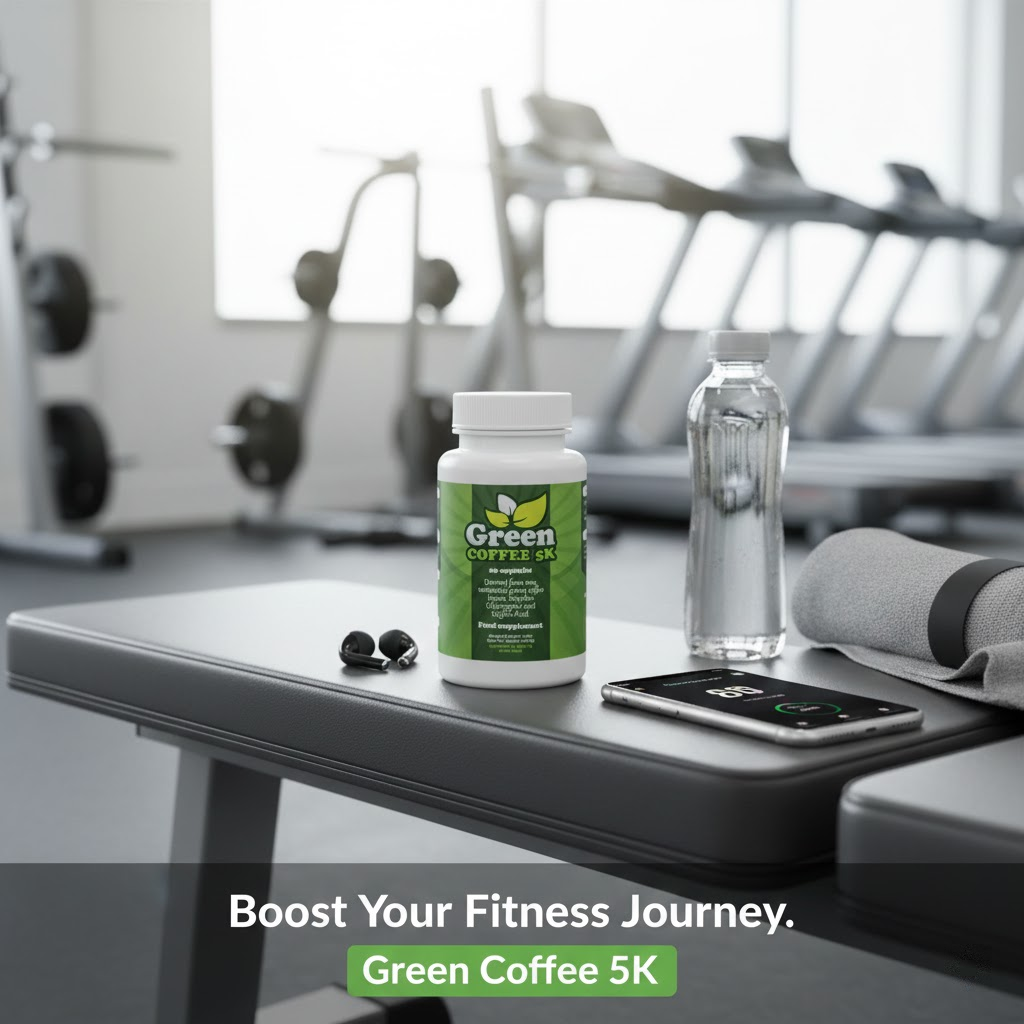
A capsule dose and a cup of coffee — check total caffeine before stacking.
Caffeine content, not the "5000 mg" figure, is what most users actually feel.
How to Read a Green Coffee 5K Label Before You Buy
The front label sells the “5000 mg” story, but the back label is where you find the details that predict side effects. Look for caffeine per serving, the chlorogenic acid percentage, the extract-to-raw-bean ratio, and any hidden stimulants such as guarana, yerba maté, or green tea extract. A proprietary blend that lists “green coffee extract” without amounts is a red flag because you cannot calculate your actual dose.
In practice, the safest first purchase is one that states caffeine per capsule and carries independent purity testing. If the label is silent on caffeine, treat the product as if it contains some and plan your coffee and pre-workout intake accordingly.
The Most Common Green Coffee 5K Side Effects
Reactions cluster into a handful of predictable categories. Knowing which one you are likely to hit makes them much easier to manage.
1. Caffeine-Type Stimulation: Jitters, Racing Pulse, Fluttery Chest
This is the number one complaint. Symptoms include restlessness, a noticeably faster heartbeat, shaky hands, and a "wired but tired" feeling that makes it hard to sit still.
Caffeine sensitivity is partly genetic. Some people clear caffeine quickly; others metabolize it slowly and feel a single dose for most of the day. If two espressos after lunch keep you awake at midnight, a concentrated green coffee extract will likely feel stronger than the label suggests.
A common mistake is taking the capsule alongside coffee, tea, or a pre-workout. That stacks stimulants and produces a reaction far worse than the supplement alone would cause.
A practical tolerance test is to take the first capsule on a day when you are not also using pre-workout, energy drinks, or a double espresso. If your resting pulse feels noticeably faster within a couple of hours, that is your baseline for the next dose — not a reason to push through.
2. Digestive Changes: Nausea, Reflux, Loose Stools
Chlorogenic acids are bitter and mildly acidic, and they can nudge gastric acid production upward. The result for sensitive people is nausea, a burning feeling behind the sternum, or looser stools than usual in the first week.
Taking the capsule on an empty stomach makes all of this worse — this is the single most reported trigger. If your stomach is already reactive, side-effect patterns tend to run in families, and the reactions other berry-based fat burners trigger often look identical.
3. Sleep Disruption and Next-Day Fatigue
Caffeine has a half-life of roughly five hours in most adults, and considerably longer in slow metabolizers. A dose taken at 4 p.m. can still be circulating at 10 p.m.
The fix is simple: take Green Coffee 5K in the morning, or at minimum six to eight hours before bed. If you are already fighting poor sleep, it is worth sorting out sleep-support formulas before adding a stimulant-based supplement on top.
4. Headaches, Dizziness, and Blood-Sugar Dips
Appetite suppression has a knock-on effect. When you eat less without adjusting meal timing, blood sugar can dip, producing headaches, lightheadedness, irritability, and afternoon crashes. People often blame the supplement when the real cause is skipping lunch.
This pattern is common across appetite-suppressing products generally, including another popular appetite extract, and it is corrected by eating regular protein-and-fibre-containing meals rather than by lowering the dose.
5. Less Common Issues Worth Knowing About
Increased urination. Caffeine is a mild diuretic. Drink water steadily through the day rather than in one large bottle.
Iron absorption. Coffee-type polyphenols can reduce absorption of non-heme iron. If you take iron tablets or are prone to anaemia, leave at least a two-hour gap.
Medication interactions. Stimulants can interact with blood thinners, some antidepressants, ADHD stimulants, and blood-pressure medication. This is a pharmacist question, not a forum question.
How Long Do Green Coffee 5K Side Effects Last?
Timeline What most users notice What to do
Days 1–3 Jitteriness, mild nausea, changes in bowel habits Halve the dose, take with food, keep caffeine low
Days 4–7 Symptoms usually soften as tolerance builds Stay at the lower dose until you feel settled
Week 2 onward Most people report no ongoing side effects at the label dose Only increase if you feel genuinely comfortable
Any time Palpitations, chest pain, severe anxiety, persistent stomach pain Stop and speak to a doctor
If nothing has improved by the end of the second week, the product is not a good fit for you — pushing through rarely works.
A useful rule is to change only one variable at a time. If you lower the dose, add food, and cut coffee all on the same day, you will not know which adjustment helped. Give each change two to three days.
Who Should Skip Green Coffee 5K or Ask a Doctor First
Group Why caution is needed Sensible approach
Pregnant or breastfeeding Stimulant exposure and unverified herbal safety Avoid unless a clinician approves
High blood pressure Caffeine can raise readings temporarily Get medical clearance first
Type 1 or Type 2 diabetes Chlorogenic acid affects glucose handling Monitor blood sugar and discuss with your doctor
Anxiety or panic disorders Stimulants can amplify symptoms Start only with medical guidance
Heart rhythm conditions Palpitations are a known reaction Speak to a cardiologist
Taking prescription medication Absorption and interaction risks Ask a pharmacist before the first capsule
This list is not exhaustive. If you have a thyroid condition, kidney disease, an eating disorder history, or any condition that makes stimulant use risky, ask your clinician before trying a concentrated green coffee product. The same applies if you are breastfeeding or planning pregnancy.
Is the 5000 mg Dose Actually Dangerous?
No established toxicity has been shown at the doses these products actually deliver, because the "5000 mg" refers to raw bean equivalent rather than 5000 mg of active extract. The label sounds extreme; the delivered dose of chlorogenic acids is not.
Two honest caveats. First, doubling up does not double results. There is no evidence that exceeding the label dose improves weight loss, but there is a clear dose-response relationship with caffeine side effects. Second, the overall evidence for green coffee bean extract and weight loss is modest — trials tend to be small, short, and sometimes industry-funded, so treat marketing claims with healthy scepticism.
Dietary supplements in the United States are regulated as food, not as drugs, which is why you will never see the words "FDA approved" on a legitimate weight-management product. You can read the agency's own explanation of how supplement oversight works at the FDA's dietary supplement hub. For evidence-based background on what supplements can and cannot do, the NIH Office of Dietary Supplements is a far better starting point than a product page.
Does Green Coffee 5K Cause Long-Term Side Effects?
There is no strong evidence that a standardized green coffee extract causes unique long-term harm in healthy, coffee-tolerant adults at label doses, but that is different from saying long-term use has been proven safe. Most trials of green coffee extract are short, so the honest answer is that long-term safety data are limited. The more predictable long-term issues are the ones tied to daily stimulant use: tolerance to caffeine, disrupted sleep if dosing drifts later in the day, and withdrawal headaches if you stop abruptly after a high daily intake.
If you take a caffeinated version daily for several weeks, a sensible approach is to reassess after eight to twelve weeks: sleep quality, resting pulse, blood pressure if you monitor it, and whether the product still supports your habits. Do not use “it’s natural” as a substitute for that review.
How to Take Green Coffee 5K With Fewer Side Effects
Get clearance first if you take any prescription medication or have a heart, blood pressure, or blood sugar condition.
Start at half the label dose for the first three to five days. You are testing tolerance, not chasing results.
Take it with food. A meal buffers the acidity and dramatically reduces nausea. Sensible capsule timing matters more than most people expect.
Keep it in the morning. Anything after early afternoon risks your sleep.
Cut back on other caffeine. Switch to decaf or drop the pre-workout while you adjust. Getting the dosing schedule right across all your supplements prevents accidental stacking.
Drink water consistently — aim for pale-yellow urine by mid-afternoon.
Separate it from iron tablets by at least two hours.
Log how you feel for two weeks. Two lines a day is enough, and it makes it obvious whether symptoms are fading or worsening.
Can You Take Green Coffee 5K With Protein, Creatine, or Pre-Workout?
Protein and creatine do not add stimulant load, so they are not the usual culprits behind jitters or palpitations. If you use a shake to hit your daily protein target, the main practical point is timing: a caffeinated Green Coffee 5K capsule plus a stimulant-heavy pre-workout in the same hour is the stack most likely to feel unpleasant.
Creatine is a strength-training staple rather than a stimulant, but it pulls water into muscle and works best with consistent hydration. If you are already using a diuretic-like caffeine dose, keep water intake steady instead of drinking one large bottle after training.
Green Coffee 5K vs. Other Green Coffee Products
Feature Green Coffee 5K Standard decaf extract Green tea thermogenics
Label strength 5000 mg raw equivalent 400–800 mg extract Varies widely
Chlorogenic acids High, standardized Standardized 45–50% Low
Caffeine Varies — check the label Usually minimal Moderate, plus EGCG
Typical side effects Jitters, reflux, sleep issues Mild stomach upset Jitters, reflux
Best suited to People who already tolerate coffee Caffeine-sensitive users Those wanting a gentler stimulant
If caffeine is your main worry, a decaffeinated standardized extract is the smarter first purchase. If you want the chlorogenic acid dose without the stimulant load, that is the trade-off to make.
What Green Coffee 5K Will Not Do
It will not create a calorie deficit for you. No supplement in this category has been shown to produce meaningful fat loss without dietary change, and expecting otherwise is the fastest route to disappointment.
A realistic stack looks like this: a modest calorie deficit, keeping protein high enough to protect muscle, two to three resistance sessions a week, and creatine for strength work if you train seriously. Green coffee extract may support that plan at the margins. It does not replace it.
Red Flags: Stop and Get Medical Help If You Experience
Chest pain, pressure, or a heartbeat that feels irregular or won't settle
Fainting, near-fainting, or severe shortness of breath
Panic-level anxiety or a sense of doom after dosing
Severe abdominal pain, vomiting, or blood in your stool
Yellowing of the eyes or skin, dark urine, or persistent pain under the right ribs
Stop the supplement and contact a healthcare professional. Do not "wait it out" with symptoms like these.
FAQ: Green Coffee 5K Side Effects and Safety
Does Green Coffee 5K cause heart palpitations? It can, in people sensitive to caffeine. Palpitations are the most frequently reported stimulant reaction. If they occur, stop the product and get checked — do not simply reduce the dose and continue.
Can I take Green Coffee 5K with high blood pressure? Only with medical clearance. Caffeine can push blood pressure up temporarily, even though chlorogenic acid has separately been studied for cardiovascular markers. Your doctor knows your readings and medications; a product page does not.
How long do the side effects last? Mild jitteriness and digestive adjustment typically ease within three to seven days at a reduced dose. If symptoms are unchanged after two weeks, the product is not suiting you.
Is Green Coffee 5K FDA approved? No dietary supplement is "FDA approved" in the way a prescription drug is. Look instead for manufacturing in a GMP-certified facility and third-party testing for purity and label accuracy.
Can I take it on an empty stomach? You can, but you probably shouldn't. Empty-stomach dosing is the most common trigger for nausea and reflux with green coffee extract.
Will it interact with my medication? Possibly. Stimulant-based supplements can interact with blood thinners, some antidepressants, ADHD medication, and blood-pressure drugs. Ask a pharmacist with your full medication list in hand.
Can I drink coffee while taking Green Coffee 5K? Yes, but count it in your total stimulant load. If you are sensitive, use decaf coffee or leave several hours between the capsule and your brew. The mistake is taking the capsule with a strong coffee and then wondering why the dose feels so intense.
Does Green Coffee 5K cause anxiety? It can in people who are sensitive to caffeine or already prone to anxiety. Stop the product and seek medical advice if you experience panic-level symptoms, chest tightness, or a sense of doom.
Is decaffeinated green coffee extract side-effect free? No. Removing caffeine reduces the stimulant risk, but chlorogenic acids can still cause nausea or reflux in sensitive people. Take it with food and start low.
Can I take Green Coffee 5K long term? There is limited long-term safety data for concentrated green coffee extracts. Many users take breaks and reassess after eight to twelve weeks, especially if sleep, pulse, or blood pressure changes.
The Verdict: Is Green Coffee 5K Worth Trying?
For coffee-tolerant adults in otherwise good health, Green Coffee 5K is a reasonable option with a manageable side-effect profile. Expect mild jitteriness or stomach sensitivity in the first week, plan around caffeine, take it with food in the morning, and the experience is usually uneventful.
For anyone who is caffeine-sensitive, pregnant, managing hypertension or diabetes, or taking prescription medication, the risk-to-benefit calculation tilts the other way — a decaffeinated standardized extract or a different approach altogether makes more sense.
The honest summary: the side effects are real but largely predictable, the "5000 mg" headline is more marketing than pharmacology, and the results still depend on your diet and training. If you have read this far and your only concern was caffeine, you already know how to handle it.
Ready to compare the current label, ingredient breakdown, and pricing before you commit? See the latest Green Coffee 5K offers and full product details — check the caffeine content per serving first.
Conclusion
Green Coffee 5K is not a dangerous product for most healthy coffee drinkers, but it is still a concentrated stimulant-and-polyphenol product. The side effects to watch for are predictable: jitteriness, reflux or nausea, sleep disruption, headaches from under-eating, and — less often — palpitations. Start with half a dose, take it with breakfast, keep total caffeine low, and stop rather than push through chest symptoms or severe anxiety.
Your next step is simple: check the label for caffeine per serving and chlorogenic acid standardization before you order. If the label is clear and you tolerate coffee well, a short trial at a reduced dose is the most sensible way to find out whether Green Coffee 5K fits your routine.
Safety Information
Medical disclaimer: This article is for educational purposes only and is not medical advice. These statements have not been evaluated by the Food and Drug Administration. This product is not intended to diagnose, treat, cure, or prevent any disease. Always consult a qualified healthcare professional before starting any new supplement, particularly if you have a pre-existing medical condition, are pregnant or breastfeeding, or are taking prescription medication.

Similar Posts














As a seasoned bettor I can say this platform stands out for its premium features. The odds are fair and the VIP program gives real perks instead of just empty promises. I feel like a true insider every time I log in. Definitely my go to place for serious gameplay. globalbetvip