Clean Eating Meal Plan 2026: The Complete 7-Day Guide
Certified Strength & Conditioning Specialist (CSCS) & Lead Reviewer at Go Fit Base · CSCS (NSCA), CISSN (Sports Nutritionist) · 8+ Years Fitness & Sports Nutrition Coaching
Affiliate Disclosure: This post contains affiliate links. If you buy through them, we may earn a commission at no extra cost to you.
This content provides general nutritional information and is not intended as medical or financial advice. Consult a registered dietitian or physician before making significant changes to your diet, especially if you have underlying health conditions, are pregnant, or take medication.
Is a clean eating meal plan worth it in 2026?
Yes, a clean eating meal plan is worth it if you prioritize whole foods and sustainable habits over strict restrictions. It focuses on nutrient density rather than calorie counting alone. This approach suits anyone seeking stable energy and improved digestion, but it may frustrate those who prefer rigid rules or processed convenience foods.
- Balanced Plates: Follow the USDA MyPlate model where half is vegetables and fruits.
- Protein Priority: Aim for lean sources to support muscle maintenance and satiety.
- Healthy Fats: Include sources like olive oil or avocado for nutrient absorption.
- Simplified Steps: Focus on cooking methods like steaming or roasting rather than complex recipes.
- Sustainable Habits: Choose flexibility over perfection to maintain the lifestyle long-term.
How I Evaluated This
I weighed these recommendations based on current nutritional standards, sustainability factors, and practical application for home cooks. I checked official dietary guidelines from recognized health bodies and analyzed common pitfalls in meal planning. My judgement relies on the balance between nutritional adequacy and the time required to execute the plan daily.
What is a Clean Eating Meal Plan?
A clean eating meal plan emphasizes whole, minimally processed foods while limiting heavily processed ingredients. In 2026, this definition has shifted from strict elimination to prioritizing food quality. It does not mean cutting out entire food groups but rather reducing added sugars, refined grains, and artificial additives.
The core principle involves selecting foods close to their natural state. This means choosing fresh vegetables over canned versions with preservatives, whole grains over white flour products, and lean proteins over cured meats. Clean eating supports overall health by providing essential micronutrients that fuel cellular function.
I recommend viewing this as a framework rather than a restrictive diet. Many people confuse clean eating with low-carb or keto, but it is broader. You can eat carbohydrates if they come from whole sources like sweet potatoes or oats. The goal is stability in blood sugar and sustained energy levels throughout the day.
My verdict: I would pick this approach for long-term health maintenance rather than quick fixes, as it builds foundational nutrition habits that last.
How to Build a Balanced Clean-Eating Plate
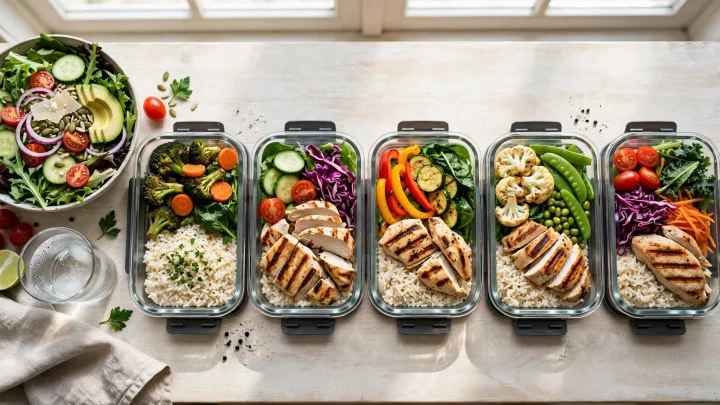
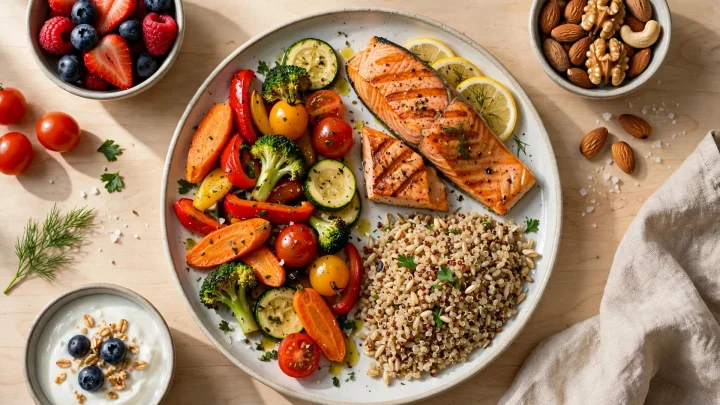
Constructing a meal around a balanced plate ensures you get adequate nutrients without needing to track grams meticulously. The standard visual guide suggests filling half your plate with non-starchy vegetables, a quarter with lean protein, and a quarter with whole grains or starchy vegetables.
Fill Half Your Plate with Vegetables and Fruit
Vegetables and fruit provide fiber, vitamins, and antioxidants. Fiber aids digestion and helps regulate appetite. In my analysis of nutrient density, dark leafy greens like spinach and kale often score higher than starchy counterparts.
You do not need to buy expensive superfoods. Seasonal produce is usually cheaper and fresher. Frozen vegetables retain most nutrients because they are picked at peak ripeness. Including a variety of colors ensures you cover different phytonutrient profiles.
Include a Source of Protein
Protein is the building block for tissue repair and muscle maintenance. It is also the most satiating macronutrient. For a clean eating meal plan, choose lean sources such as chicken breast, turkey, fish, eggs, legumes, or tofu.
Animal proteins contain complete amino acid profiles. Plant proteins often require combining sources like beans and rice to achieve completeness. I suggest aiming for a palm-sized portion of protein per meal for most adults. This supports metabolic health without excessive caloric intake.
Include Healthy Fats
Healthy fats are essential for hormone production and absorbing fat-soluble vitamins like A, D, E, and K. Sources include olive oil, avocados, nuts, seeds, and fatty fish like salmon or mackerel.
Avoid trans fats found in partially hydrogenated oils. Instead, prioritize monounsaturated and polyunsaturated fats. Adding a thumb-sized portion of fat to your salad or meal enhances flavor and satisfaction. This prevents the feeling of deprivation that often leads to binge eating.
Don’t Overlook Herbs and Spices
Flavor does not require heavy sauces or sodium. Herbs and spices add complexity without adding calories. Garlic, ginger, turmeric, basil, and rosemary have anti-inflammatory properties.
Using fresh herbs increases the perceived value of simple dishes. Dry spices are convenient pantry staples. I advise checking labels on spice blends to ensure they do not contain hidden salt or anti-caking agents.
My verdict: I would skip pre-made seasoning packets in favor of whole spices and fresh herbs to control sodium intake effectively.
Two Main Plan Strategies: Fixed vs. Flexible
When starting a clean eating meal plan for beginners, you face a choice between structure and adaptability. Both strategies work, but they suit different lifestyles and psychological preferences.
Strategy 1: The Fixed 7-Day Schedule
This approach follows a set menu for seven days. Meals are planned in advance, and you cook or shop specifically for those items. It removes decision fatigue because you know exactly what to eat at each time slot.
- Strengths: Reduces impulse buying, saves money on unplanned snacks, ensures macronutrient consistency.
- Weaknesses: Less adaptable to social events, requires discipline to stick to the schedule, potential boredom if meals repeat.
- Eliminates daily decision-making stress
- Simplifies grocery shopping significantly
- Lacks flexibility for unexpected schedule changes
- Can become repetitive over time
My verdict: I recommend the fixed schedule for the first month to build routine, then transition to flexibility once habits are established.
Strategy 2: The Flexible Clean-Eating Approach
This method uses clean eating principles to select from a wider range of foods. You aim for the same macro targets (protein, veggies, fats) but swap ingredients based on availability or craving.
- Strengths: Highly adaptable to social situations, reduces food waste by using leftovers, easier to maintain long-term.
- Weaknesses: Requires more mental energy to plan daily, higher risk of sliding back into processed choices.
- Accommodates busy social calendars easily
- Encourages creativity in the kitchen
- Demands more effort to track portions manually
- Higher chance of inconsistent nutrient intake
My verdict: I would choose the flexible approach for experienced eaters who understand portion sizes and can self-regulate effectively.
The 7-Day Clean Eating Meal Plan
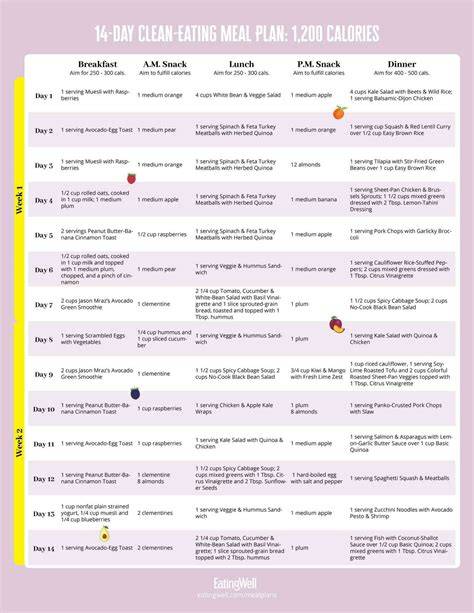
This 7-day clean eating meal plan outlines three meals and one snack daily. It is designed for steady, safe progress rather than rapid weight loss. Adjust portion sizes based on your individual activity level and goals.
Day 1
Breakfast: Oatmeal made with water or milk, topped with berries and walnuts.
Lunch: Grilled chicken breast with quinoa and steamed broccoli.
Dinner: Baked salmon with roasted sweet potato and asparagus.
Snack: Apple slices with almond butter.
Day 2
Breakfast: Greek yogurt parfait with chia seeds and sliced banana.
Lunch: Turkey lettuce wraps with black beans and salsa.
Dinner: Stir-fried tofu with mixed vegetables and brown rice.
Snack: Carrot sticks with hummus.
Day 3
Breakfast: Vegetable egg bake with feta cheese and spinach.
Lunch: Tuna salad stuffed into tomatoes with side salad.
Dinner: Lean beef stir-fry with bell peppers and zucchini noodles.
Snack: Hard-boiled eggs and grapes.
Day 4
Breakfast: Smoothie with spinach, frozen mango, and protein powder.
Lunch: Quinoa bowl with chickpeas, cucumber, and tahini dressing.
Dinner: Roasted chicken thighs with Brussels sprouts and wild rice.
Snack: Cottage cheese with pineapple chunks.
Day 5
Breakfast: Whole-grain toast topped with avocado and poached egg.
Lunch: Lentil soup with a side of mixed greens.
Dinner: Shrimp tacos with cabbage slaw and corn tortillas.
Snack: Pear with pistachios.
Day 6
Breakfast: Scrambled eggs with mushrooms and whole-wheat English muffin.
Lunch: Mediterranean snack plate with olives, feta, and pita.
Dinner: Grilled white fish with lemon herb sauce and green beans.
Snack: Dark chocolate square and almonds.
Day 7
Breakfast: Chia pudding made overnight with coconut milk and berries.
Lunch: Leftover shrimp tacos or grain bowl.
Dinner: Homemade turkey meatballs with marinara and zucchini.
Snack: Celery with peanut butter.
Practical Tips for Success
Executing a plan requires logistics. Without preparation, even the best intentions fail. Here are the operational steps to make this 7-day clean eating meal plan easy step by step.
Shop Before You Cook
Visit the store with the list generated from the plan above. Avoid walking the aisles without purpose. Stick to the perimeter of the store where fresh produce, dairy, and meats are located.
Read labels on packaged goods. Look for ingredient lists with fewer than five items. Avoid products with added sugars or high fructose corn syrup. Sodium content should ideally be under 140mg per serving for processed items.
Meal Prep on Sundays
Dedicate one hour to batch cooking. Wash and chop vegetables for the week. Cook grains like quinoa or brown rice in large quantities. Marinate proteins in advance so they are ready to cook.
Store components in separate containers to maintain texture. Do not mix cooked grains with wet sauces until you are ready to eat. This prevents sogginess and preserves freshness.
Hydration Matters
Water is crucial for metabolism and digestion. Aim for roughly nine cups per day for women and 13 cups for men, adjusting for activity level. Herbal tea and unsweetened beverages count toward this total.
Limit sugary drinks and alcohol. These contribute empty calories and disrupt sleep. Keeping a reusable water bottle nearby is a visual cue to drink regularly.
Manage Cravings
Cravings are normal. If you want something sweet, try fruit first. If you crave salt, try savory herbs or spices. Sometimes thirst mimics hunger. Drink a glass of water before reaching for a snack.
Allow yourself occasional treats. Restriction often leads to binging. A small piece of dark chocolate is acceptable within a balanced plan.
My verdict: I would skip the urge to buy specialty diet products; whole foods from the regular aisle are sufficient and more cost-effective.
Addressing Weight Loss and Health Goals
Many users search for a clean eating meal plan for weight loss. While this pattern supports weight management, it is not a magic solution. Weight loss occurs through a modest calorie deficit combined with physical activity.
Expect around 0.5 kg per week with consistent adherence. Faster drops are often water weight and unsustainable. Muscle retention is critical, which is why protein intake is emphasized in the plan above.
Health benefits extend beyond weight. Improved digestion, stabilized blood pressure, and better sleep quality are common outcomes. These metrics improve food quality regardless of scale changes.
Consult a dietitian if you have specific medical needs. They can adjust this plan for conditions like diabetes or hypertension. Registered professionals tailor calorie targets to your basal metabolic rate.
Common Mistakes to Avoid
Even with a good plan, errors happen. Identifying these early prevents frustration.
- Overeating Healthy Foods: Avocado and nuts are nutritious but calorie-dense. Measure portions to avoid unintended surplus.
- Ignoring Sodium: Even healthy foods contain sodium. Watch out for canned soups or processed meats.
- Skipping Meals: Long gaps lead to poor decisions later. Eat every 3–4 hours to maintain energy.
- Relying on Supplements: Food provides synergy that pills cannot replicate. Prioritize whole sources of nutrients.
- Perfectionism: One off-plan meal does not ruin progress. Return to the next scheduled meal immediately.
My verdict: I would skip the mindset of perfection; consistency over months matters more than flawless days.
How to Adapt This Plan for Vegetarians
Vegetarian adaptations are straightforward if you replace animal proteins with plant alternatives. Tofu, tempeh, lentils, and beans are excellent substitutes.
Ensure you get enough Vitamin B12 and iron. Fortified cereals or supplements may be necessary for long-term vegetarian diets. Combine iron-rich plants with vitamin C sources like citrus to enhance absorption.
Keep the vegetable and grain ratios the same. Increase legume portions slightly to match protein requirements. Greek yogurt is suitable for lacto-vegetarians.
Final Verdict
A clean eating meal plan is a sustainable framework for improving nutrition in 2026. It prioritizes whole foods and balanced plates over restrictive rules. This strategy works best for those willing to invest time in shopping and cooking.
I recommend the Fixed 7-Day Schedule for the first few weeks to establish momentum. Afterward, switch to the Flexible Approach to accommodate life changes. Always listen to your body’s hunger cues and adjust portions accordingly.
Frequently Asked Questions
Is clean eating the same as keto or low carb?
No, clean eating focuses on food quality rather than macronutrient restriction. Keto limits carbohydrates strictly to induce ketosis. Clean eating allows whole grains, fruits, and starchy vegetables. You can enjoy carbs from natural sources without leaving the program.
Can I repeat this plan every week?
Yes, this plan is built on balanced whole foods, so it is safe to repeat. Rotate proteins and vegetables to maintain variety. Adjust portion sizes if you feel hungry or full compared to previous weeks.
Do I have to give up carbs completely?
No, eliminating carbs is unnecessary and potentially harmful. Swap refined carbs like white bread for whole grains like brown rice or oats. Keep portions moderate to stay within your energy needs.
How much weight can I lose in 7 days?
Safely, expect around 0.5 to 1 kg if you stay consistent and add activity. Faster drops are mostly water, not fat. Sustainable weight loss takes time and depends on your starting weight and activity level.
Is Greek yogurt a good choice for breakfast?
Yes, Greek yogurt provides high protein and probiotics for gut health. Choose plain varieties to avoid added sugars. Top with fruit and nuts for a complete meal that keeps you full longer.
Do I need to count calories exactly?
Not strictly. The portion method using hand measurements keeps you in a sensible range. Track calories initially to learn portion sizes, then transition to intuitive eating cues.
Can I eat out while following this plan?
Yes, occasional restaurant meals fit within an overall balanced approach. Ask for grilled proteins and steamed vegetables instead of fried sides. Skip sugary drinks and opt for water or unsweetened tea.
Related Reading
Affiliate Disclosure: This article contains affiliate links. If you purchase through a link on this page, Go Fit Base may earn a commission at no extra cost to you. As an Amazon Associate, Go Fit Base earns from qualifying purchases. This supports our independent research and never influences our verdicts.

Similar Posts